Is Physical Therapy Better Than Surgery for Back Pain?

If you are dealing with back pain, you may wonder whether physical therapy or back surgery offers the best treatment. Studies have shown that physical therapy is effective for many conditions. PT delivers improved function without the risks and recovery time that surgery involves. At ProTouch Physical Therapy in Cranford, NJ, we help patients find relief from back pain through personalized treatment that promotes natural healing.
Why Physical Therapy Works for Back Pain
Physical therapy often serves as the best first-line treatment for spinal problems. Trained physical therapists strengthen your core muscles to stabilize your spine. PT also improves posture, increases flexibility, and teaches movement patterns that prevent injuries.
Research confirms the benefits of physical therapy for musculoskeletal conditions. A PubMed study found that supervised PT produced outcomes similar to lumbar surgery. Researchers concluded that physical therapy should be the first choice to avoid complications and reduce costs. The success rate for mild to moderate cases remains high.
How PT Heals Your Spine
Your spine depends on surrounding muscles for support. When these muscles weaken from injury or poor posture, your spinal structures take on extra stress. This leads to disc problems, nerve compression, limited mobility, and chronic pain.
Physical therapy rebuilds your muscular support system. Targeted exercises build core muscle strength. Manual therapy releases tight tissues and restores joint movement. Physical therapy's holistic approach focuses on addressing symptoms at their source rather than masking pain and physical discomfort.
Physical Therapy vs Back Surgery: Key Differences
Understanding these treatments helps you make informed decisions. Before going under the knife, it's often worth trying less invasive options first.
Risks and Recovery
Physical therapy carries far lower risk than surgery. PT has about a 10% complication rate compared to 25% for back surgery. Surgical risks include infection, blood clots, bad reactions to anesthesia, nerve damage, and failed procedures. Even minimally invasive surgery carries these concerns.
Time to Recover
Back surgery often requires lengthy recovery periods before you return to normal life. Postoperative care means you need help with basic tasks. Many patients face lost income during this time. Physical therapy lets you continue daily life faster while getting treatment. Sessions fit your schedule and help you regain strength without missing work.
Treatment Costs
Spinal surgery costs far more than physical therapy. Hospital fees, surgeon charges, anesthesia, and follow-up care add up fast. One advantage of physical therapy is that it offers a budget-friendly option. PT often achieves similar results with decreased pain and greater mobility.
Results That Last
Patients who complete physical therapy gain lasting benefits. You learn exercises to maintain spinal health on your own. Surgery may fix structural problems right away, but most patients require physical therapy following surgery to restore function. PT before and after surgery prevents future problems.
Conditions That Respond Well to Physical Therapy
Physical therapy plays a key role in treating many conditions. Research shows PT often eliminates the need for surgery.
Lumbar Spinal Stenosis
This condition narrows the spinal canal and causes leg pain, numbness, and trouble walking. Physical therapy produces results similar to surgery for mild to moderate cases. The success rate stays strong. PT improves mobility through specific exercises and posture training.
Herniated Discs
Between 80 and 90 percent of patients with herniated discs get better without back surgery. Skilled physical therapists reduce swelling, ease pressure on nerves, and build supporting muscles. Many patients see complete relief through conservative care.
Rotator Cuff Tears
While not a spine issue, rotator cuff tears show how PT compares to surgery. Research found that arthroscopic surgery gave no better long-term results than physical therapy for many patients. This supports trying conservative treatment first for musculoskeletal injuries.
Chronic Low Back Pain
Studies show spinal fusion offers no advantage over non-surgical treatment for chronic low back pain. Dealing with chronic pain needs a complete recovery plan. Physical therapy fixes muscle imbalances, improves how you move, and manages pain effectively.
Benefits of Choosing Physical Therapy First
Starting with physical therapy before considering surgery gives you clear advantages:
- Lower risk – PT avoids surgical dangers like infection, blood clots, and anesthesia problems
- No downtime – Keep working and handling daily tasks during treatment
- Cost savings – Pay far less than surgery and hospital stays
- Greater strength – Build muscles that protect against future injury
- Pain-free movement – Restore function through step-by-step exercise
- Better surgical prep – If you need surgery later, PT beforehand improves results
- Independence – Learn exercises to maintain your health long-term
What to Expect During Physical Therapy
Therapy requires commitment, but results make it worthwhile. Treatment includes several parts that work together.
First Visit Evaluation
Your physical therapist checks your posture, movement, strength, and flexibility. They find the specific factors causing your condition. This assessment guides your recovery plan and helps align treatment with your goals.
Building Strength
Core exercises create the support your spine needs. You start with basic moves and progress to harder ones as you improve. Therapists help you strengthen your core muscles while working on back and hip stability.
Hands-On Treatment
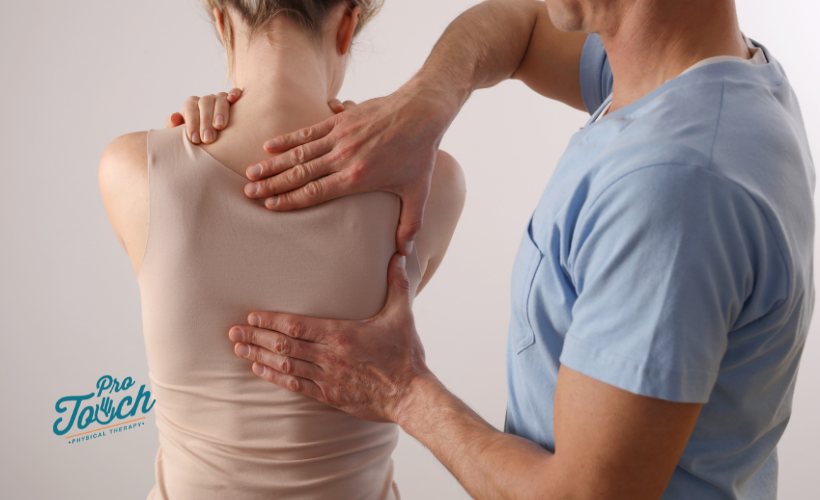
Manual therapy addresses joint stiffness and muscle tightness. Your therapist uses mobilization and soft tissue work to restore normal movement. This approach focuses on natural healing and assisting patients in making significant progress.
Exercises for Home
Your therapist gives you exercises to do between visits. Regular practice speeds up improvement. These habits help you reach a pain-free life.
When Surgery May Be Necessary
Physical therapy works for most back conditions, but some cases need surgery. Emergency signs like sudden bladder or bowel problems, growing leg weakness, or severe nerve symptoms require immediate care.
You may need to consult with a surgeon if conservative treatment fails after several months. Finding the right course of action depends on your specific situation. Those who need back surgery still benefit from PT beforehand, which improves surgical results.
The ProTouch Difference: One-on-One Care
At ProTouch Physical Therapy, we know that dealing with back pain affects your whole life. Our holistic approach differs from busy clinics that rush patients through treatment.
You get one-on-one attention from experienced therapists without time limits. We study your condition, history, and goals to build a plan for your needs. Our private treatment rooms keep you comfortable throughout rehab.
With over 20 years of orthopedic experience, our team handles conditions other practices cannot treat well. We look at connected body systems rather than isolated symptoms. This complete evaluation finds root causes that others miss.
Start Your Path to Lasting Recovery from Back Pain
Back pain does not have to run your life. Physical therapy offers a safe path to recovery that helps most patients avoid surgery. ProTouch Physical Therapy gives you the personal, expert care you need to reduce pain, restore function, and get back to activities you love.
Contact ProTouch Physical Therapy at (908) 325-6556 to learn more about the benefits of PT. Our Cranford, NJ office serves Union County, including Westfield, Clark, Kenilworth, and nearby areas. Let our team show you why one-on-one care makes the difference in beating back pain.