Best Physical Therapy Methods for Treating Shoulder Pain and Injuries
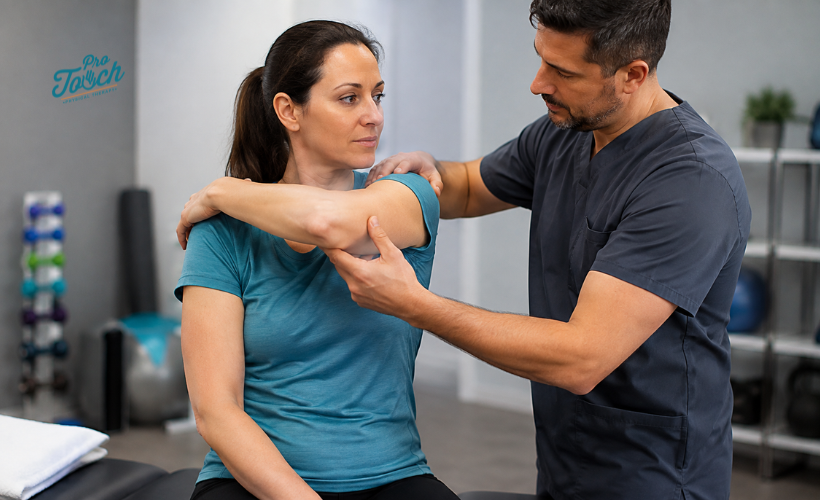
Your shoulder moves farther, and in more directions, than any other joint in your body. That freedom has a cost. Shoulder pain is a common problem for active adults because the joint depends on soft tissue for stability instead of bone. Muscles, tendons, and ligaments hold it together. When the rotator cuff or the muscles around the shoulder start to fail, pain follows fast. Treating Shoulder Pain works best when a physical therapist finds the real cause instead of chasing the symptom.
At ProTouch Physical Therapy in Cranford, NJ, you get one-on-one care that combines hands-on treatment, guided movement, and steady strengthening. This guide explains physical therapy for shoulder pain and shows which method fits which diagnosis.
Why Shoulder Pain Requires an Accurate Diagnosis First
Common causes of shoulder pain include rotator cuff injuries, joint inflammation, pinched nerves, and poor posture that changes how the joint moves. Two patients can point to the same sore spot and have completely different damage underneath. One cannot lift a coffee cup. The other cannot serve a tennis ball. A therapist who skips the exam and hands out generic exercises often makes things worse.
Our therapists check the neck, upper back, shoulder blade, and rib cage before treating the injured shoulder itself. Stiffness in the upper back forces the shoulder to work at a bad angle, which pinches tissue under the bony arch at the top of the joint. Neck pain can also travel down the arm, so we test nerve signs and grip strength during the exam. This whole-body approach comes from more than 20 years of orthopedic experience by clinic owner Scott Gander.
Common Shoulder Conditions Our Therapists Treat
- Rotator cuff tendinitis and partial rotator cuff tears
- Shoulder impingement, where tissue gets pinched inside the joint
- Frozen shoulder, also called adhesive capsulitis
- Labral tears and instability after a dislocation
- Recovery after shoulder surgery or joint replacement
- Arthritis, AC joint sprains, and overuse injuries like throwing or overhead lifting
Core Physical Therapy Methods for Shoulder Recovery
Good shoulder pain treatment combines four things: hands-on care, restored motion, targeted strength, and better posture. Your treatment options depend on what the exam finds.
Manual Therapy for Stiff Joints and Tight Tissue
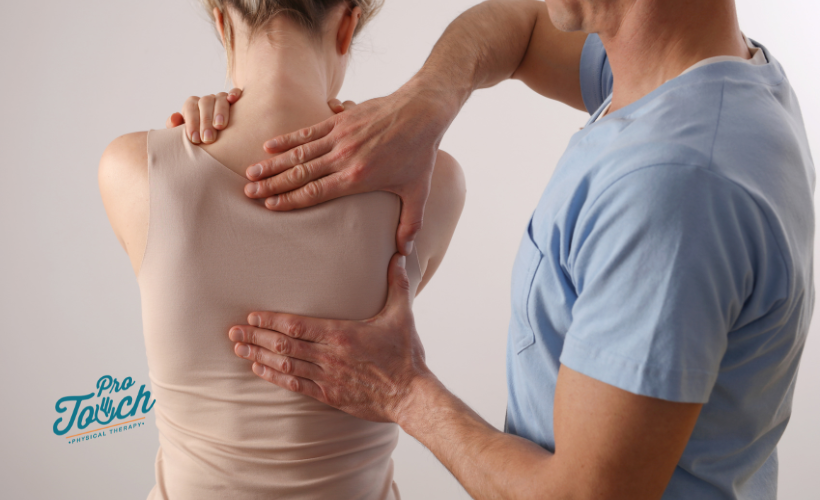
Manual therapy techniques use skilled hands to reach what stretching cannot. Soft tissue work releases tight knots in the upper back, chest, and rotator cuff. Joint mobilization applies gentle, graded pressure to a stiff joint capsule so the ball of the arm bone glides in the socket again.
Frozen shoulder responds especially well, because the capsule itself has tightened around the joint. Instrument-assisted soft tissue work and myofascial release break up scar tissue causing pain and blocking movement. These hands-on treatments for shoulder pain also decrease pain right away, which makes the exercise part of the visit possible.
Restoring Range of Motion Safely
Range of motion comes back before strength does. Loading a sore tendon too early slows healing, so we start with gentle shoulder exercises that protect the tissue.
Pendulum swings come first. You lean forward, let the arm hang, and let gravity open the joint. Table slides and wand-assisted lifts move the affected shoulder through its available range without asking the muscles to work. As pain settles, the physical therapist moves the arm for you, then helps you move it, then steps back and lets you control the shoulder movement yourself. Stretching exercises at home hold those gains and prevent the pain and stiffness that follow a long rest.
Progressive Rotator Cuff Strengthening
The rotator cuff tendons keep the ball of the arm bone centered in the socket every time you reach. When those four shoulder muscles get weak, the ball drifts upward and squeezes the tissue above it.
Strengthening exercises start with isometric holds, where you press against resistance without moving the joint. Next come resistance band rotations with the elbow tucked at your side. Light dumbbells and overhead patterns come last, once the band work feels easy. Therapeutic exercise moves forward on what your shoulder can handle, not on the calendar, so you strengthen the muscles that stabilize the joint only when it is ready.
Shoulder Blade Control and Postural Correction
The shoulder blade is the base your arm moves from. When it sits forward and tips, it changes the angle of the socket and narrows the space tendons pass through. Poor posture at a desk can lead to shoulder pain that arm exercises alone never fix.
Shoulder blade squeezes, rows, and wall push-outs retrain the muscles that hold the blade flat against your ribs. We pair these exercises to improve alignment with postural training so the fix carries into your workday, your commute, and how you sleep. Patients who sit at a computer all day often get their shoulder mobility back once the blade moves correctly again.
Pain-Control Methods That Support Active Treatment
Modalities do not heal tissue on their own. They support pain management so you can finish your exercises. Ice therapy calms a fresh flare and helps reduce inflammation. Heat therapy loosens stiff tissue before hands-on work. We also use ultrasound therapy, electrical stimulation, and cold laser to reduce pain and inflammation at the right points in recovery. Most patients feel real pain relief within their first few therapy sessions.
How Treatment Plans Change by Condition
The same methods show up in most programs. What changes is the order and the emphasis, because physical therapy treatment depends on the type of shoulder injury:
- Impingement: Shoulder blade control, upper back mobility, and posture come first. Cuff strengthening gets added once the pinching eases.
- Rotator cuff tendinitis: Calm the tendon first by removing the loads that irritate it, then rebuild its capacity slowly.
- After surgery: Protected motion follows the surgeon's protocol, then active motion, then strength. Post-surgical rehab timing depends on what was repaired.
- Instability and dislocation: Position-sense training leads, teaching the shoulder to react before the joint slips.
- Frozen shoulder: Sustained joint mobilization and daily stretching drive the plan, since the tight capsule is the limit.
The Phases of Shoulder Rehabilitation
Recovery follows a predictable order. Your physical therapist may adjust the pace as your shoulder responds.
- Phase one, pain control: Calm the tissue, protect the joint, and restore easy motion.
- Phase two, mobility: Recover full range of motion through manual therapy and stretching.
- Phase three, strength: Rebuild rotator cuff and shoulder blade endurance with steady resistance.
- Phase four, function: Train the exact movements your job or sport needs, then move to a home exercise plan that helps prevent future injuries and re-injury.
Minor shoulder irritation often settles in three to four weeks. A cuff repair or frozen shoulder takes longer. Shoulder pain may return if you stop early, so physical therapy exercises done at home shorten the whole timeline.
Why One-on-One Care Produces Better Shoulder Outcomes
Shoulder rehab depends on precision. Three inches of arm position can separate an exercise that strengthens the cuff from one that pinches it. Exercises may look simple written down, but form decides whether they help or hurt.
ProTouch Physical Therapy builds every session around one patient, with no time limits. Your therapist watches each repetition, fixes the movement as it happens, and adjusts the physical therapy program the moment your response changes. That matters most for sports injuries and recovery after surgery, where a small technique error costs weeks. Referrals from local orthopedists and sports medicine physicians reflect that standard.
Take the Next Step Toward a Pain-Free Shoulder
If you are experiencing shoulder pain that costs you sleep, work, or sport, physical therapy can help with shoulder pain at its source instead of covering it up. Shoulder injuries are common among active adults across Union County, and most get better without injections or surgery. Seeing a physical therapist for shoulder pain early improves both pain and function. A focused plan can relieve shoulder pain in weeks, and hands-on care paired with guided exercise will ease pain and give back the reach you lost.
Schedule your evaluation today:
- Phone: (908) 325-6556
- Email: contact@protouchpt.com
- Location: 570 S Ave E, Building G, Suite C, Cranford, NJ 07016
Call ProTouch Physical Therapy now. Treating Shoulder Pain properly starts with one conversation and a therapist who treats you like family.