Post-Surgery Physical Therapy in Cranford: What to Expect
Recovery after surgery depends on more than rest. Post-surgery physical therapy gives your body the structured movement, targeted exercises, and hands-on care it needs to heal properly and return to full function. This recovery guide explains when physical therapy after surgery begins, the benefits of physical therapy at each stage, and what a successful recovery looks like from the first appointment through long-term recovery. At
ProTouch Physical Therapy in Cranford, NJ, our post surgery rehab specialists work one-on-one with each patient to create a personalized therapy plan built around your specific recovery goals.
Why Physical Therapy After Surgery Makes a Difference
Research consistently shows that patients who begin gentle movement within 24 to 48 hours after surgery achieve a faster recovery than those who wait. Physical therapy helps reduce scar tissue formation, improve circulation around the surgical site, and plays a critical role in preventing stiffness that develops from prolonged immobilization.
Scar tissue is one of the most significant obstacles when recovering from surgery. When the body heals from an incision, it produces fibrous tissue that restricts movement, compresses nerves, and causes long-term pain if not addressed early. Therapy can help reduce this risk by creating controlled movement before scar tissue hardens, helping reduce complications throughout the recovery journey.
Delayed rehabilitation also accelerates muscle loss. Studies show muscle atrophy can begin within 48 hours after surgery if movement is not initiated. The longer a joint or muscle group stays inactive, the more work is required to regain strength and rebuild function later in recovery.
What Happens During Your First Session
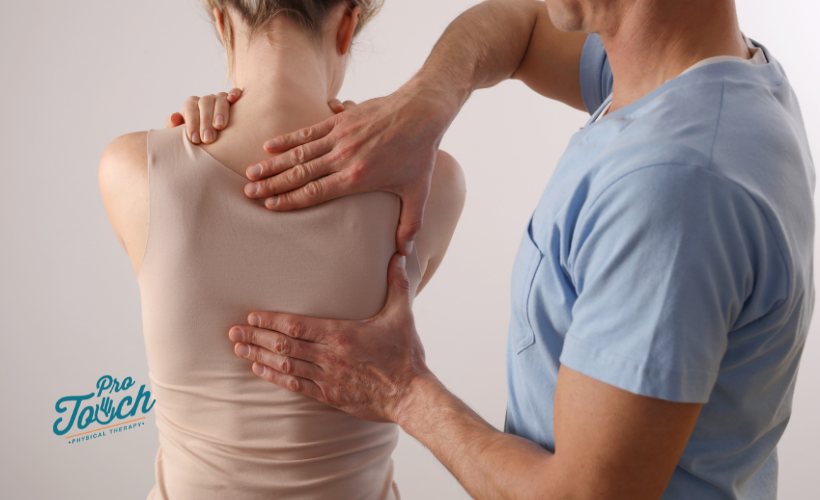
Your first appointment at ProTouch Physical Therapy begins with a thorough evaluation. Your physical therapist will guide you through an assessment of strength, range of motion, and pain levels to build a complete clinical picture of where you are in recovery.
From that evaluation, your therapist will design a treatment plan matched to your specific type of surgery, health history, and recovery goals. Depending on the type of procedure (knee surgery, replacement surgery, or a spinal repair), the protocol will look different. No two therapy plans are identical.
Your first session also covers movement precautions: specific positions or activities to avoid during the early phase of healing. Understanding these boundaries protects the surgical repair and supports your recovery from day one.
The Three Phases of Post-Surgical Rehabilitation
Post surgical rehabilitation follows a progressive structure. Each phase of your recovery builds on the previous one, advancing in intensity only when your tissue is ready to handle increased load.
Phase 1 — Pain Management and Swelling Reduction
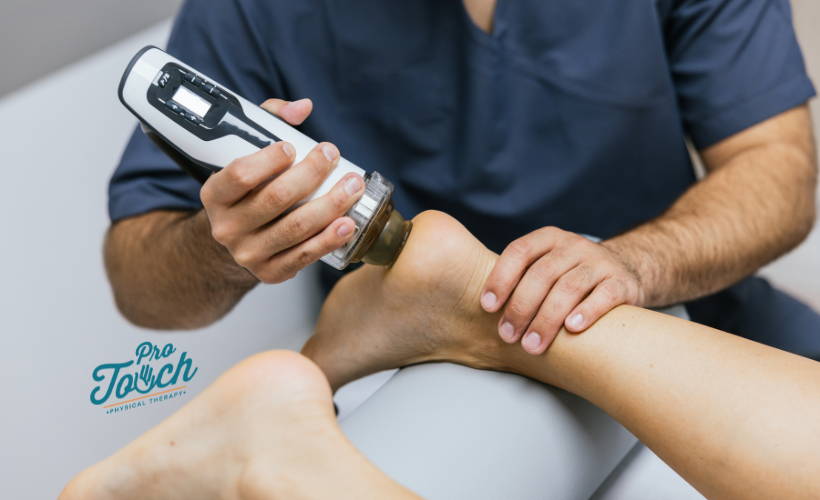
In the first few days after surgery, therapy focuses on managing pain and swelling around the surgical site. Manual therapy techniques such as soft tissue mobilization, electrical stimulation, and cold therapy alongside gentle movement exercises address pain and swelling directly. Cold therapy techniques provide pain relief while improving circulation to promote healing. The goal at this phase of healing is to reduce pain levels and begin moving the joint through a comfortable arc without stressing the repair.
Phase 2 — Restoring Range of Motion and Flexibility
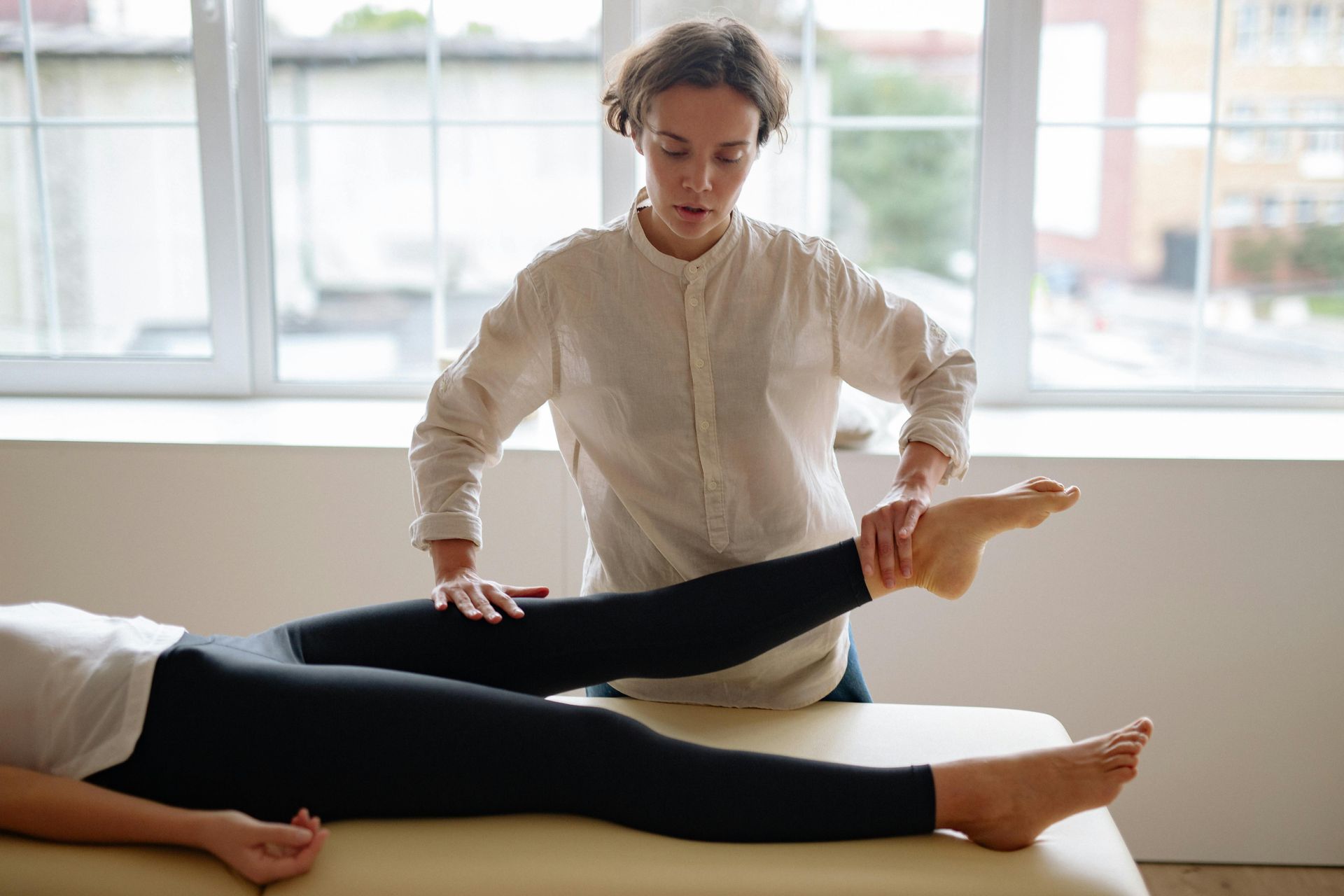
Weeks two through six shift focus toward regaining full movement. Your physical therapist will guide you through exercises and stretches designed to restore flexibility and correct compensatory movement patterns. Therapy involves progressive joint mobilization and targeted loading. As exercises become more structured, exercises may include resistance bands, balance drills, and body weight movements that prepare the joint for the final phase.
Phase 3 — Rebuilding Strength and Functional Movement
The final phase of your recovery targets strength, stability, and the specific movements your daily life requires. Therapeutic exercises in this exercise program help you regain strength and build strength in the muscles supporting the repaired joint. Physical therapy may also include a home exercise routine so progress continues between sessions. This phase prepares patients to return to their daily activities safely and, for active patients, to return to sport or higher-demand work.
Procedures Where Physical Therapy Can Help
Post-operative physical therapy improves outcomes across a wide range of procedures. Physical therapy can help patients recover from the following surgeries treated at ProTouch Physical Therapy.
- ACL reconstruction: rebuilds knee stability, quad and hamstring strength, and neuromuscular control for return to sport
- Rotator cuff repair: restores shoulder range of motion and progressively rebuilds rotator cuff muscle strength
- Knee surgery and replacement surgery: improves early mobility, reduces stiffness, and helps patients regain independence in daily function
- Spinal surgery (discectomy, laminectomy, or fusion): retrains core stability, improves posture, and reduces nerve-related pain
- Meniscus repair: protects repaired tissue in early phases while progressively restoring full knee function
- Shoulder labrum repair: manages range-of-motion restrictions during tissue healing and rebuilds functional overhead strength
Recovery timelines vary by procedure. For patients recovering from more complex surgeries, occupational therapy or speech therapy may be recommended alongside physical therapy to address additional functional needs. Minor orthopedic surgeries typically require four to six weeks of Post Surgical Rehabilitation. Major procedures such as joint replacements or spinal fusions often require three to six months for a successful recovery.
Why One-on-One Care Produces Better Outcomes
Therapy plays a critical role in helping patients recover, and the quality of that care determines how complete the recovery is. Most physical therapy clinics rotate patients between tables and assign aides for the majority of the session. At ProTouch Physical Therapy, every session is spent directly with your therapist.
This distinction matters most during post-surgery rehabilitation, when the margin between correct progression and re-injury is narrow. A personalized treatment approach allows your therapist to adjust your rehabilitation program in real time, detect subtle compensation patterns, and keep your therapy program aligned with your long-term recovery and long-term success. Patients receive immediate feedback on movement mechanics during every repetition.
Scott Gander's 20 years of orthopedic rehabilitation experience means patients recovering from complex procedures receive clinical judgment matched to their specific needs rather than a generic protocol.
How to Prepare for Your First Appointment
Arriving prepared allows your therapist to begin evaluation immediately. The steps below cover the most important preparation before your first session.
- Bring your physician referral, insurance card, photo ID, and any surgical operative notes if available
- Wear loose, comfortable clothing that allows access to the surgical area (shorts for knee surgery, a tank top for shoulder procedures)
- Ask your surgeon which movements to avoid, then communicate those restrictions clearly to your therapist
- Set up your home by removing rugs, clearing pathways, and placing frequently used items within easy reach to support your recovery and regain independence from the start
ProTouch Physical Therapy offers appointments from 7 AM through 8 PM to accommodate your schedule throughout every phase of healing.
Start Your Road to Recovery at ProTouch Physical Therapy
Post-surgery physical therapy is not optional for a successful recovery. It is the process through which your body learns to reduce pain, build strength, and protect the surgical repair for the long term. Post surgery physical therapy that begins early, follows a structured rehabilitation program, and includes personalized treatment produces measurably better outcomes and supports long-term recovery well beyond the treatment period.
ProTouch Physical Therapy serves patients across Cranford, Union County, Westfield, Clark, Kenilworth, and surrounding communities in northern New Jersey. Schedule an appointment with our team today by calling (908) 325-6556 or visiting protouchpt.com/post-surgical-rehab and begin your recovery today with a team that treats every patient like family.